
The Allure of Gambling
The psychology behind casino gaming decisions is deeply rooted in the allure of gambling itself. Many individuals are drawn to the potential for instant gratification, which is a core aspect of the gaming experience. The thrill of placing a bet and the excitement of winning amplify the appeal, allowing players to escape from their daily routines and immerse themselves in a high-stakes environment. This sense of immediate reward can create a cycle of reinforcement that keeps players returning to casinos, as each win fuels the desire for more. For those looking for a change, a quebec online casino can provide an innovative way to engage with this enticing world.

Addiction plays a significant role in how decisions are made in the gaming world. Casinos are designed to manipulate emotions and foster a sense of euphoria, contributing to a player’s tendency to chase losses or believe that a win is just around the corner. This psychology not only influences the choices players make while gaming but also encourages them to remain in the environment longer than they may initially intend.
The Role of Cognitive Biases
Cognitive biases significantly impact the decision-making processes of casino patrons. One common bias is the “gambler’s fallacy,” where individuals believe that previous outcomes influence future results, leading them to assume that a losing streak must be followed by a win. This misperception drives players to continue betting in hopes of reversing their luck, often leading to greater financial losses.
Another relevant cognitive bias is “confirmation bias,” where individuals seek out information that confirms their pre-existing beliefs about gambling. For instance, a player may focus on their winning experiences while ignoring the numerous times they have lost. These biases create a distorted view of gambling that can encourage continued participation despite negative outcomes.
Emotions and Decision Making
Emotions play a pivotal role in gaming decisions at casinos. Thrill, anticipation, and excitement can cloud judgment, leading players to make impulsive choices that they may later regret. The emotional highs associated with winning can create a powerful drive to keep playing, while losing can lead to feelings of frustration and the urge to recover losses quickly. This emotional rollercoaster can often override rational thought, causing players to engage in riskier behavior.
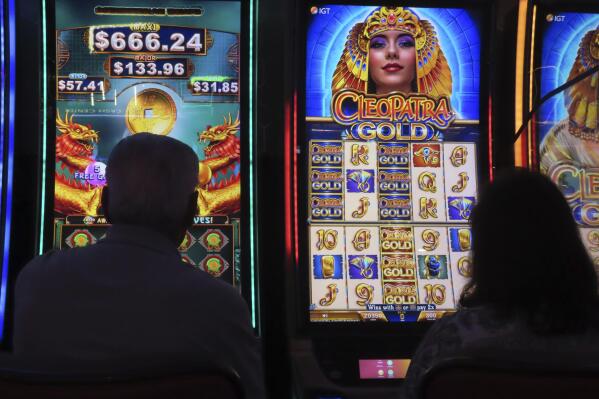
Furthermore, the casino environment itself is carefully crafted to influence emotions. The combination of lights, sounds, and the presence of other enthusiastic players contributes to an atmosphere that heightens excitement. This sensory stimulation can lead to a state of euphoria that encourages players to gamble more, reinforcing the cycle of emotional decision-making.
Social Influences and Group Behavior
Social dynamics have a considerable impact on gambling behavior. Group activities, such as playing at a table with friends or participating in a community event, can amplify the enjoyment of gaming and alter decision-making processes. Players may be more inclined to make bolder bets when surrounded by others, driven by a sense of camaraderie and competition.
Moreover, social influences extend to the way individuals perceive gambling itself. Cultural norms and peer behaviors can shape attitudes towards gaming, affecting how individuals approach their decisions. For some, gambling emerges as a social pastime, while for others, it is a solitary pursuit, further influencing the psychological factors that dictate their gaming strategies.
Ensuring a Safe Gaming Environment
As the psychology of gambling continues to evolve, ensuring a secure and reliable environment for players remains paramount. Many casinos prioritize user safety by implementing responsible gaming measures and providing resources for players facing gambling addiction. Such initiatives aim to help users make informed decisions and mitigate the risks associated with gaming.
Additionally, education on the psychological aspects of gambling can empower players to recognize the influence of their emotions and cognitive biases. By understanding these factors, individuals can develop healthier gaming habits and enjoy the entertainment value of casinos without succumbing to the potential pitfalls of excessive gambling.

